WELCOME TO ANATE
CALL +61 2 7228 4114
FOLLOW US


Clinical Skills Workshops for Nurses, Carers and Support Workers
Short, practical workshops covering the procedures you actually perform at work. Every session is face to face at our Revesby centre, taught by practising clinicians, and booked on its own so you only pay for the skills you need.
AT A GLANCE
Format
Face to face
Location
Revesby, Sydney
Group size
Small groups
Certificate
Certificate of Attendance
CPD
Counts toward CPD
From
$100
Who these workshops are for
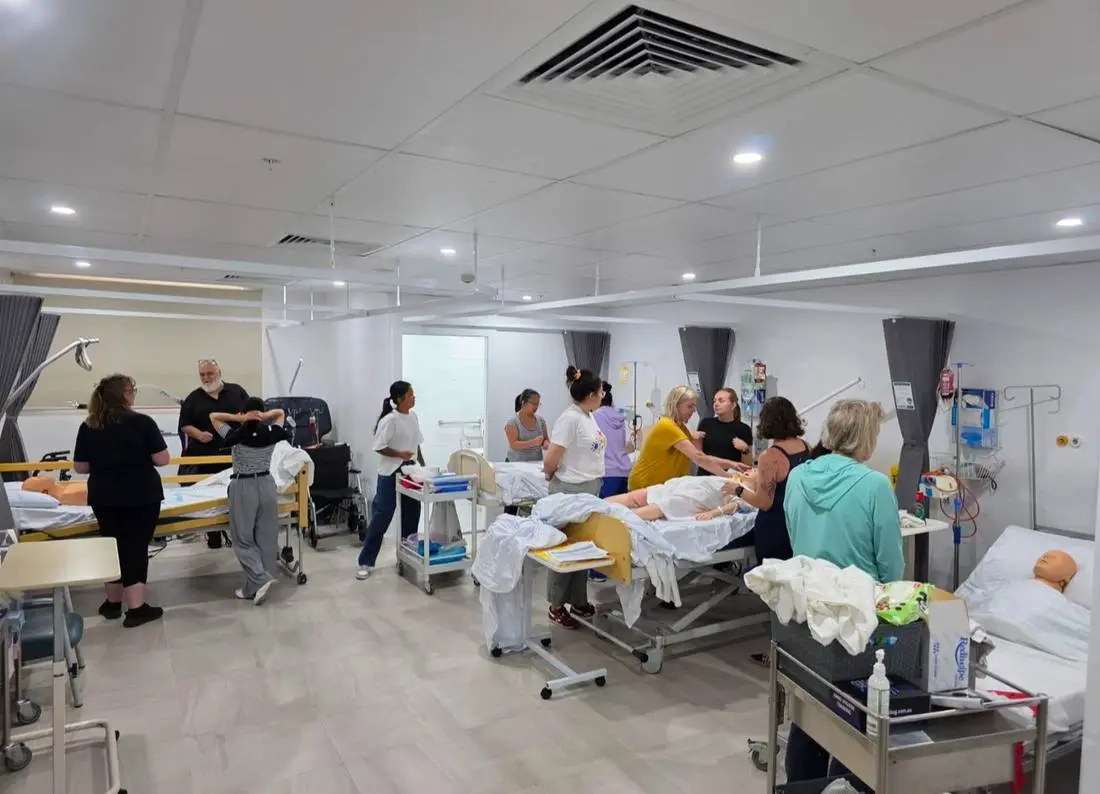
There is no single audience. The same wound care session is booked by a hospital nurse, an aged care team leader and a disability support worker in the same week, because the skill does not change with the job title.
- Registered and Enrolled Nurses adding a skill or refreshing one that has gone rusty, and logging the hours as continuing professional development
- Aged care and residential care staff covering the procedures that come up daily in those settings
- Disability and community support workers who need practical competence in specific care tasks
- Assistants in nursing and personal care workers building towards a broader scope
- Allied health professionals working alongside nursing teams
- Nurses who trained overseas getting time with Australian equipment and documentation
- Nurses returning to practice after time away, where the knowledge is intact but the hands are out of practice
Registered or Enrolled Nurse chasing CPD hours?
Our Nursing Short Courses page is built specifically around CPD and registration renewal.
Why face to face rather than online
Most clinical skills education in Australia has moved online, and for the knowledge underneath a skill that works well. For the skill itself it does not.
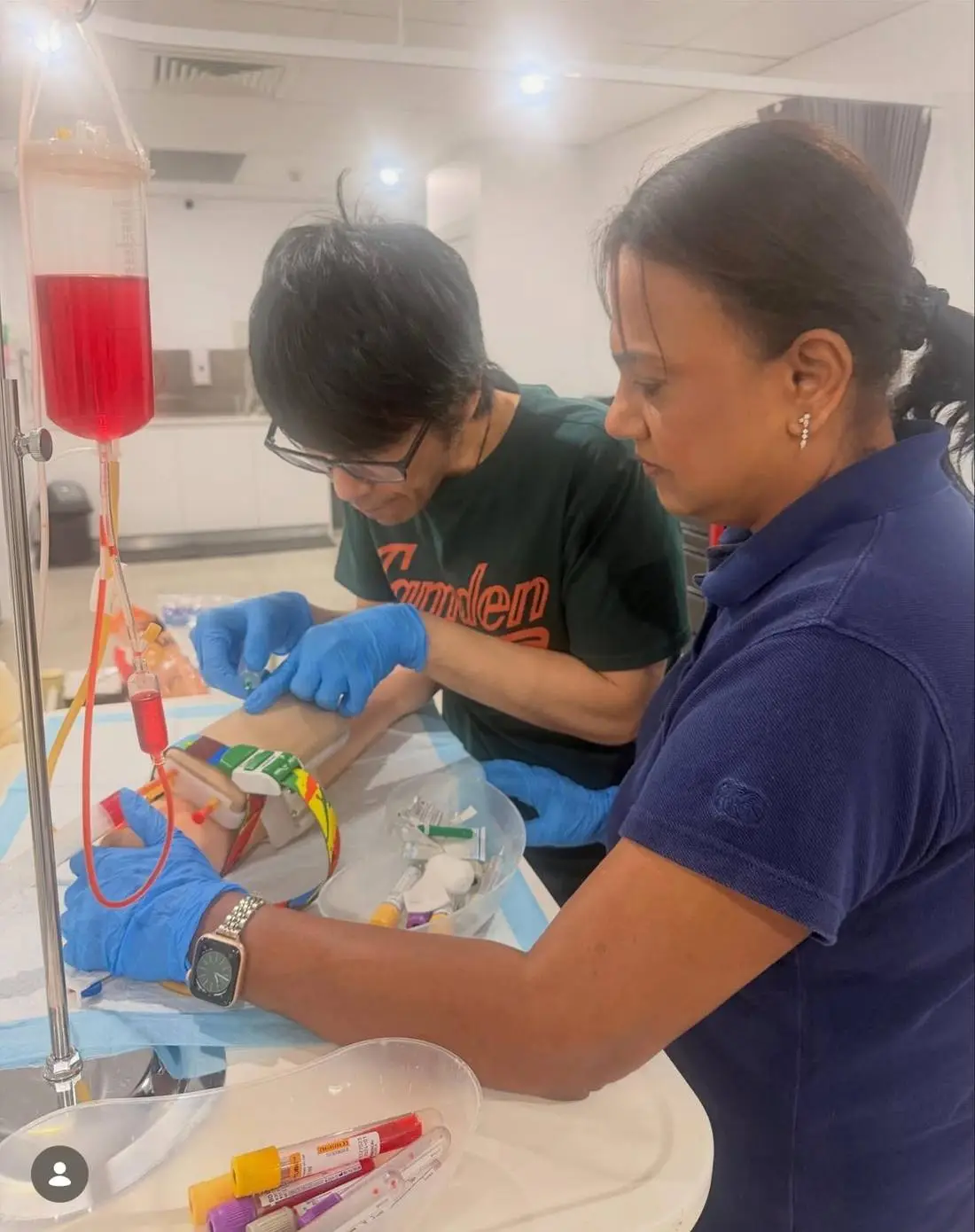
A person can finish an e-learning module with full marks and still cut a stoma flange four millimetres too wide on their first attempt, or seat a cannula at the wrong angle, or miss the step that makes the difference. Nobody was standing there to say so. Every ANATE workshop is built around you doing the task while a clinician watches, corrects the technique in the moment, and has you do it again.
A person can finish an e-learning module with full marks and still cut a stoma flange four millimetres too wide on their first attempt, or seat a cannula at the wrong angle, or miss the step that makes the difference. Nobody was standing there to say so. Every ANATE workshop is built around you doing the task while a clinician watches, corrects the technique in the moment, and has you do it again.
CPD hours and your registration renewal
Registered and Enrolled Nurses must complete continuing professional development every year to renew registration. The requirement is set by the Nursing and Midwifery Board of Australia and administered through AHPRA, and it is the area where nurses most often spend money they did not need to spend.
CPD does not have to be nationally accredited to count. What it has to be is relevant to your context of practice, and documented. A three hour workshop is three hours of CPD, a ninety minute session is ninety minutes, and the certificate you leave with is the evidence you need if your CPD is ever audited.
One thing worth being clear about: AHPRA and the NMBA do not approve, accredit or endorse CPD providers, so no training company in Australia can honestly describe itself as AHPRA recognised. What matters is whether the activity is relevant to your practice and whether you kept the record.
CPD does not have to be nationally accredited to count. What it has to be is relevant to your context of practice, and documented. A three hour workshop is three hours of CPD, a ninety minute session is ninety minutes, and the certificate you leave with is the evidence you need if your CPD is ever audited.
One thing worth being clear about: AHPRA and the NMBA do not approve, accredit or endorse CPD providers, so no training company in Australia can honestly describe itself as AHPRA recognised. What matters is whether the activity is relevant to your practice and whether you kept the record.
Refreshers and returning to nursing
Practical skills fade faster than knowledge. Nurses coming back after parental leave, a change of specialty, or a few years in a non clinical role usually find the theory intact and the hands out of practice. Picking the two or three procedures your new role needs and refreshing those is faster and cheaper than attempting everything.
If your registration has lapsed and you need to re enter the profession, that is a different process. The NMBA requires an approved re entry to practice program in that situation, and these workshops are not one and are not a substitute for one. They are useful alongside it, not instead of it.
If your registration has lapsed and you need to re enter the profession, that is a different process. The NMBA requires an approved re entry to practice program in that situation, and these workshops are not one and are not a substitute for one. They are useful alongside it, not instead of it.
If you trained overseas
Nurses arriving from other countries rarely lack clinical knowledge. What differs is the setting, and the adjustment is smaller than people fear but larger than they expect.
- Scope of practice. Tasks sit differently across Registered Nurses, Enrolled Nurses and Assistants in Nursing than they may in your home system
- Documentation. What gets charted, how escalation is recorded, and how handover is structured are more formalised here
- Equipment. The same procedure performed with different devices is a different set of hand movements
- Escalation culture. Raising a concern early is expected rather than treated as overstepping
- Terminology. Drug names, chart names, abbreviations and assessment tools all differ
Hands on procedural workshops
These are the sessions most overseas trained nurses book first, because they are the skills where technique and sequence matter most.
Both skills in one session, at a lower cost than booking separately.
3 hours
$850
Urinary Catheterisation and Continence
Catheter insertion and ongoing care.
3 hours
$450
Wound Care
Assessment and dressing technique for common wound types.
3 hours
$450
Bowel and Stoma Care
Appliances, suppositories and enemas.
3 hours
$500
PEG Feeding
Enteral feeding technique and troubleshooting.
2.5 hours
$300
Tracheostomy Care
Suctioning and tube care.
2.5 hours
$300
Nationally accredited courses
These four are different from the workshops above. They are units of competency from the national training package, delivered through our partner RTO, ETEA (RTO 5089), and they lead to a Statement of Attainment recognised by every Australian employer. First aid and CPR in particular are asked for by name in most nursing job advertisements here.
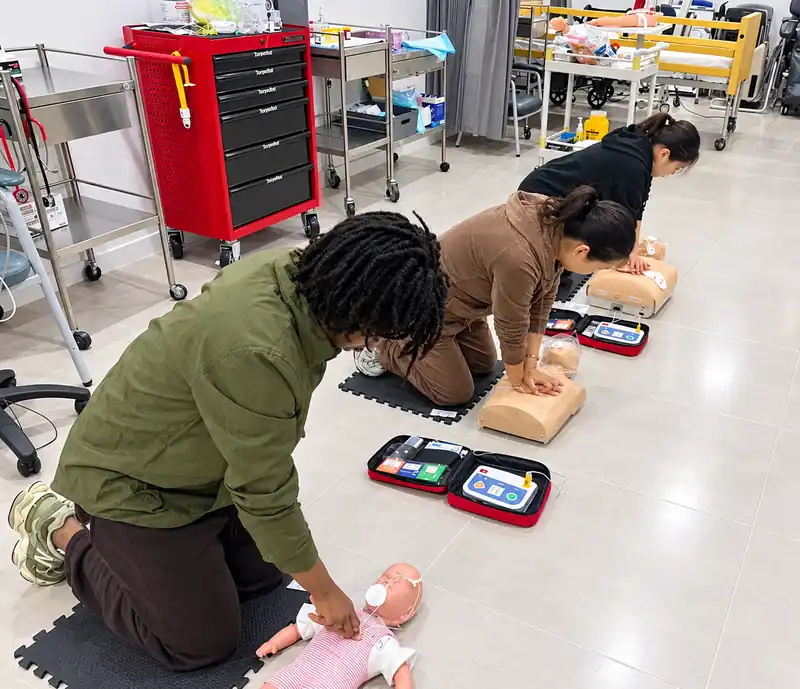
The standard first aid qualification most workplaces require.
5 to 6 hours
$165
Nationally accredited
CPR certification on its own, renewed annually.
2 hours
$100
Nationally accredited
First aid for infants and children in childcare settings.
5 to 7 hours
$185
Nationally accredited
The unit required to legally assist clients with medication.
3 hours
$550
Nationally accredited
Assessment and acute care workshops
Assessment skills carry across every setting, and they are where Australian tools and escalation expectations differ most from other systems.
Cardiology, ECG Interpretation
12 lead reading and recognising acute coronary syndrome.
3 hours
$500
Clinical Deterioration
Recognising early warning signs and escalating appropriately.
3 hours
$450
Airway Management
Airway assessment and support techniques.
3 hours
$450
Foundation and care workshops
Shorter sessions covering the practices that underpin everything else, and the care areas that make up a large share of nursing work in Australia.
Infection Control
Standard precautions for everyday practice.
1.5 hours
$100
Hand Hygiene
The five moments framework, applied correctly.
1.5 hours
$100
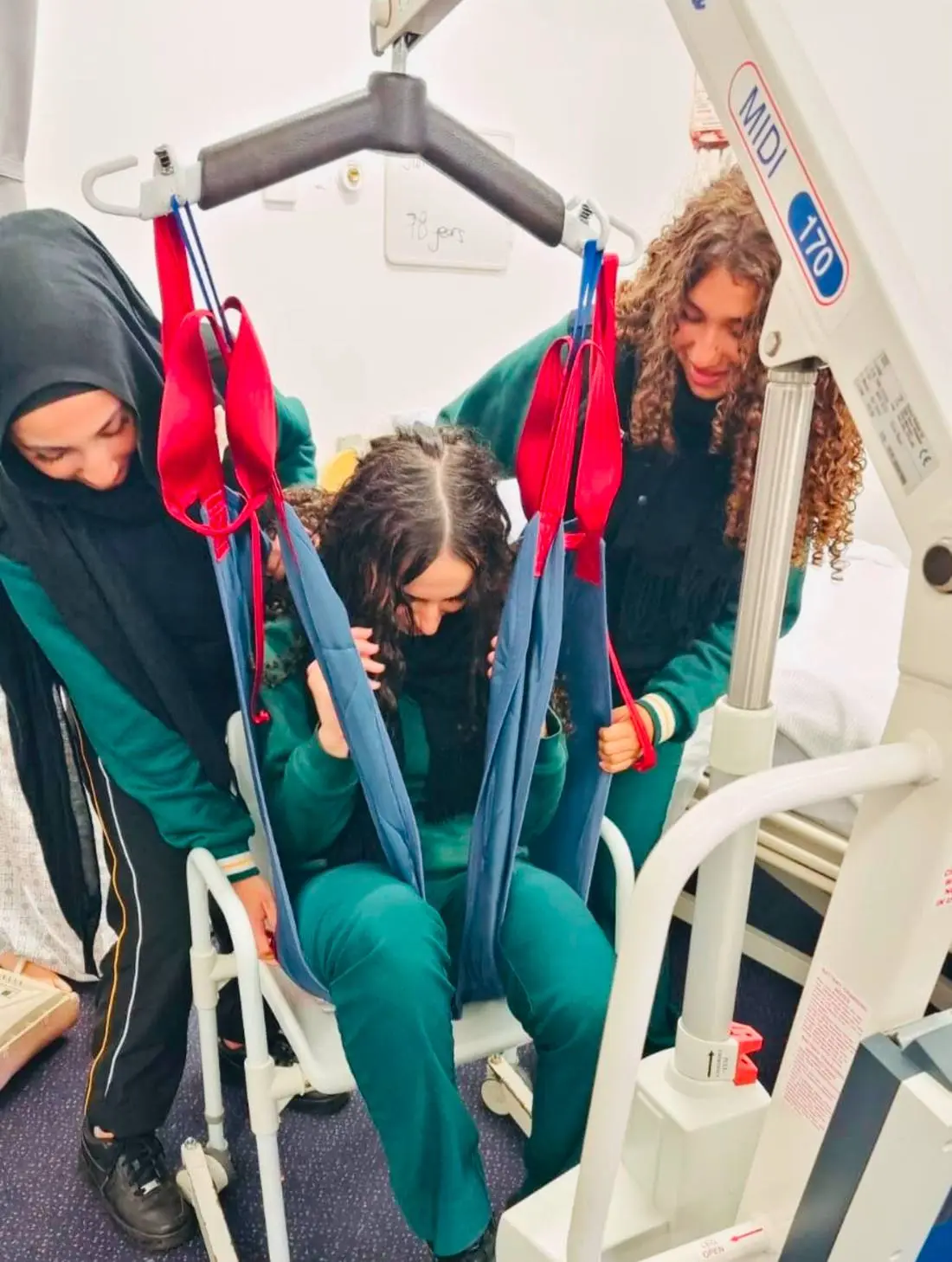
Manual Handling
Safe patient handling technique.
1.5 hours
$150
Palliative Care Fundamentals
End of life support for patients and families.
2 hours
$250
Chronic Disease Management
Supporting clients with long term conditions.
2 hours
$250
How the workshops run
- Face to face at Unit 18/4-10 Selems Parade, Revesby NSW 2212
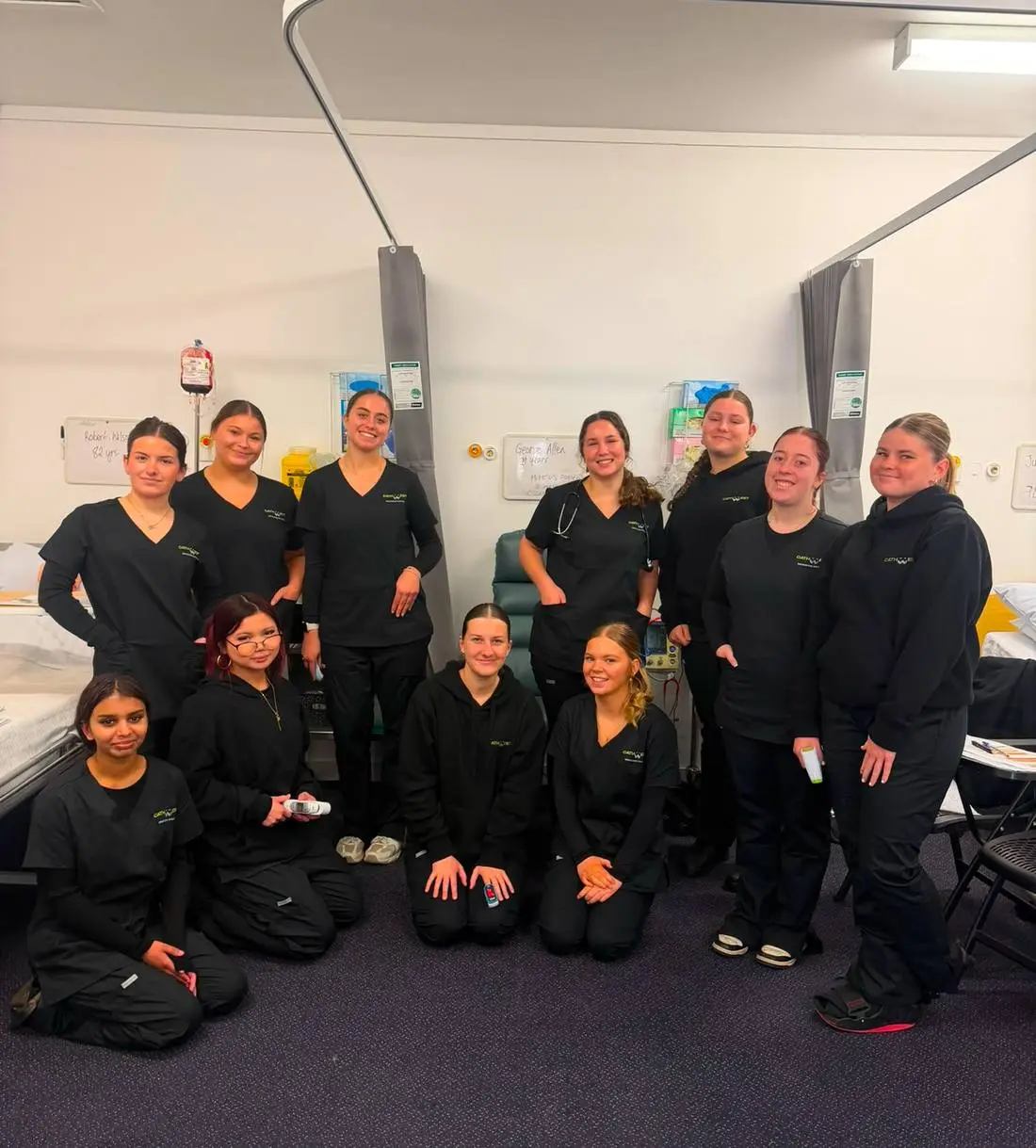
- Small groups, with every participant handling the equipment rather than watching
- Taught by practising clinicians, in a simulation setting with the products and models the skill requires
- An assessment completed as a group activity during the session
- A Certificate of Attendance on completion, with no expiry date set by ANATE
- Booked individually, with no bundle or package requirement
- No prerequisite courses, no Unique Student Identifier needed, and no requirement to hold Australian registration
Where the workshops are held
All sessions run at ANATE’s training centre, Unit 18/4-10 Selems Parade, Revesby NSW 2212, in south west Sydney.
Revesby station is a short walk away on the T8 Airport and South line, and there is parking at Revesby Village Car Park, 20-30 Blamey Street. The centre is easily reached from Bankstown, Padstow, Panania, Bass Hill, Yagoona, Liverpool and the wider south west, and participants regularly travel in from across Sydney and greater NSW for a single morning session.
On site delivery at your own facility can be arranged by special request for groups.
On site delivery at your own facility can be arranged by special request for groups.
Frequently asked questions
No, and no training provider in Australia can claim to be. AHPRA and the NMBA do not approve, accredit or endorse CPD providers. They set the requirement that nurses complete relevant CPD each year and keep records of it. Any provider advertising itself as AHPRA recognised is describing something that does not exist.
Yes. The session duration is your CPD time and the Certificate of Attendance is your record. CPD does not need to be nationally accredited to be counted, provided it is relevant to your practice.
Yes, and Enrolled Nurses attend regularly. Some procedures sit differently across roles and workplaces, so scope of practice and your employer's policy still apply to what you can perform after the session.
If your registration is current, yes, and refreshing two or three specific skills is usually the most efficient way back. If your registration has lapsed, the NMBA requires an approved re entry to practice program, and these workshops are not a substitute for that.
Yes. Aged care and residential care staff are one of the largest groups attending, particularly for wound care, bowel and stoma care, pain management, catheterisation and manual handling. Group bookings are available.
A short, focused session that teaches one practical procedure, completed in a single sitting rather than over weeks. ANATE's run from 90 minutes to three hours depending on the skill.
No. Most workshops are open to carers, support workers, assistants in nursing and allied health staff as well as Registered and Enrolled Nurses. Some procedures sit within particular roles, so tell us your role when you enquire and we will confirm which sessions fit.
Yes. Continuing professional development does not need to be nationally accredited to be counted, provided the activity is relevant to your practice and you keep evidence of attendance. A three hour workshop is three hours of CPD, and your certificate is that evidence.
Start with the skill your role requires most often and you feel least confident performing. If you are unsure, call us and describe your work, and we will point you at the two or three that will make the most difference.
Yes, and overseas trained nurses make up a good share of participants. If you are working towards Australian registration and want structured examination preparation, that is a separate program with its own page.
The workshops are professional development and are not units of competency. ANATE also delivers four nationally accredited courses, listed further down this page, which lead to a Statement of Attainment through our partner RTO, ETEA (RTO 5089).
A Certificate of Attendance for each workshop you complete. ANATE does not place an expiry date on it.
Yes. An assessment is completed as a group activity during each session, alongside the practical work. Because the workshops are non accredited, this is not a nationally recognised competency assessment.
No. Every workshop is booked individually, so you can choose only the skills you need rather than paying for a package.
At ANATE's training centre, Unit 18/4-10 Selems Parade, Revesby NSW 2212. Delivery at another site can be arranged by special request for groups.
Cancellations made at least 14 days before the session are refunded. Inside 14 days no refund is available, because seats are limited and holding one keeps another person out. Payment confirms and guarantees your place.
Yes, and most people do. Tell us which skills you want to cover and we will work out a schedule across the available dates.
Practise the skill before you need it
Hands on clinical skills workshops in Sydney, booked individually, taught by practising clinicians at ANATE’s Revesby training centre.

Acknowledgement of Country
ANATE acknowledges the Traditional Custodians of the lands on which we work and operate. We pay our respects to Elders past, present and emerging, and extend that respect to all Aboriginal and Torres Strait Islander Peoples today.

Our Courses
Polices
Contact
🇦🇺 Head office (Sydney)
+61 2 7228 4114
info@anate.com.au
18/4-10 Selems Parade, Revesby NSW 2212, Australia
🇱🇧 Lebanon Office
+961 811 779 11
Training@anate.com.au
Btouratije Main Rd, Across Fransabank, Btouratije, El Koura, North Lebanon