Nursing Workforce Transition to Critical Care Practice
Nursing Workforce Transition to Critical Care Practice
Nursing
Workforce Transition
The Nursing Workforce Transition to Critical Care Practice Program is a targeted clinical
upskilling pathway for Registered Nurses preparing to enter critical care environments in
Australia. The program builds practical capability in airway management, respiratory and
cardiac assessment, patient monitoring and escalation in high-acuity settings. Participants
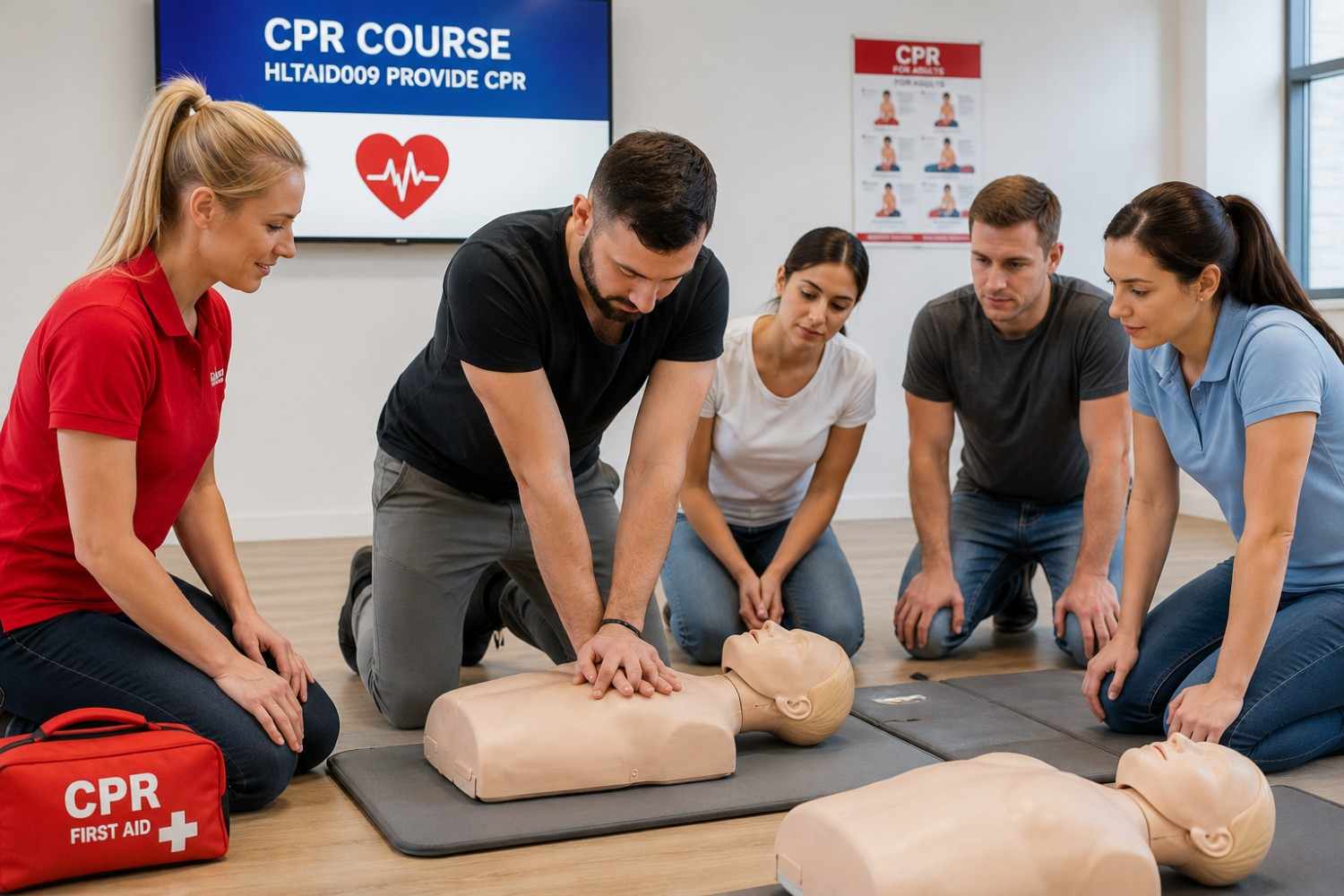
engage in simulation-based skills development and industry-supported workplace experience
to strengthen clinical performance, critical thinking and safe patient care under supervision.
Learning Outcomes
On completion of the program, participants will be able to
Perform focused respiratory and cardiovascular assessments and recognise signs of deterioration in high-acuity settings
Monitor trends in clinical observations, including basic cardiac rhythms, and escalate changes using approved communication pathways.
Contribute to the care of patients requiring airway or ventilatory support under supervision.
Support safe medication practices and infection prevention procedures consistent with critical care standards
Use clinical reasoning to prioritise patient care and participate effectively in multidisciplinary team communication and handover.
Who Should Enrol?
This program is designed for Registered Nurses who hold current AHPRA registration and are seeking to transition into critical care environments such as ICU, CCU, HDU, ED, and other high-acuity services. It is suited to nurses with existing clinical experience who wish to strengthen their assessment skills, escalation practices and readiness for critical care roles.
How is this program delivered? This program is delivered through a blend of practical simulation, theoretical learning and supervised workplace experience within partner healthcare services.
Can I study this program part-time? Flexibility for part-time participation can be considered. Please speak with our Student Support Officer at the time of enrolment to discuss available options.
Where does workplace learning take place? Workplace learning is conducted within ANATE’s healthcare industry partner facilities, with specific sites confirmed during enrolment.
Are there any additional requirements? Yes. Participants must meet healthcare compliance obligations such as vaccinations, screening checks and documentation required for clinical participation. Fees and costs vary and will need to be factored into planning for enrolment.
What support will I receive during the program? Clinical Facilitators provide guidance and supervision during workplace learning to support safe practice, communication and performance expectations in critical care environments.